
Five Things to Know About Alaska Wrongful Death Claims
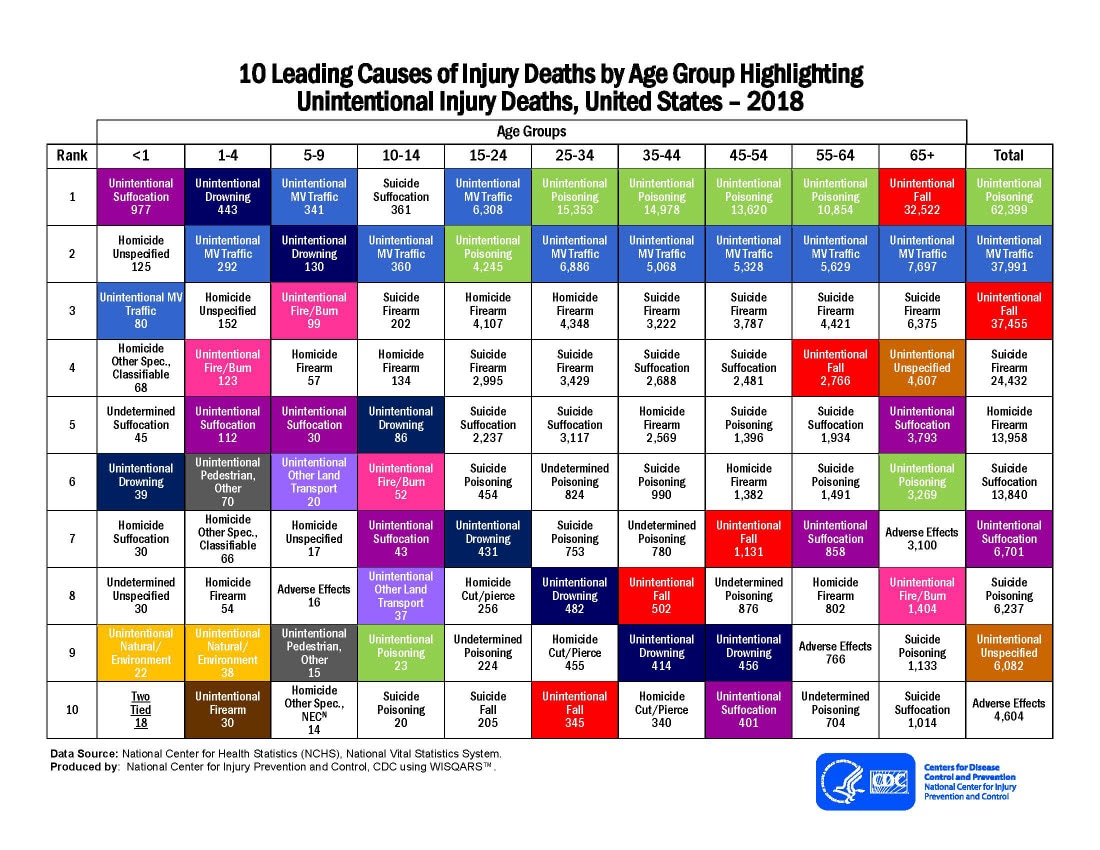
The death of a loved one will always leave you grieving, but your circumstances may be even more devastating if your loved one was killed in an accident that was someone else’s fault. Unfortunately, according to US Centers for Disease Control and Prevention (CDC) data, these tragedies are a common occurrence. In 2018, almost 214,000 people died as a result of unintentional accidents from a wide range of causes.
You and other members of your family may have relied on the deceased person’s financial support, and you will certainly endure losses based on other contributions. It may come as some relief to know that you may have legal remedies, and an Alaska wrongful death attorney can explain them in more detail. An overview of five important points about wrongful death claims may also be useful.
Negligence is often the cause of wrongful death cases.
Accidents typically happen because of negligent misconduct, described in the practice of law as breach of the legal duty to exercise reasonable care. Negligence is the most common cause of fatal motor vehicle collisions, pedestrian and bicycle accidents, slip and fall incidents, wrongful deaths and many other events. However, wrongful death actions may also be based upon intentional conduct, such as criminal assault and attacks.
Only certain individuals can bring an Alaska wrongful death claim.
State law requires the personal representative of the decedent’s estate to pursue the responsible party in a wrongful death case. This person might be named as the executor in a will, or a probate court may appoint this person to act if the victim did not have a will. The personal representative seeks monetary damages on behalf of the decedent’s survivors, including a spouse, children, or other dependents.
There is a wide range of compensation available for qualifying survivors.
The point of a wrongful death claim is to cover the losses sustained by those the decedent left behind. As such, you may be able to recover for:
- The costs of medical treatment before the victim died;
- Funeral and burial expenses;
- Lost wages, financial contributions, and future earning capacity; and,
- Losses related to emotional support, guidance, education, love, and others.
You have a limited time window to file a wrongful death case.
Alaska has enacted a two-year statute of limitations that applies to most wrongful death cases. As such, generally a person has only two years from the date of death to file a lawsuit in civil court. If the statute of limitations expires and you have not initiated litigation, you are forever barred from recovering compensation due to your loved one’s death.
It is wise to retain an Alaska wrongful death lawyer.
Perhaps the most important thing to know about wrongful death claims in Alaska is that hiring an experienced attorney is critical. The legal process is extremely complicated, from investigation and filing an insurance claim to settlement discussions and litigation. Our team at Power & Power Law is prepared to take on the challenge, so contact our office in Anchorage today to set up your free consultation.